



Dr. Jones and his staff are absolutely lovely and very welcoming. As a new patient you always go into a new office nervous of the unknown and what it’ll be like. Barbie is very welcoming and helpful and it shows why she is the first face you see when you walk in. I highly recommend Dr Jones for his wisdom, easy going nature ,and attention to detail. So glad to have been recommended by many to your office!
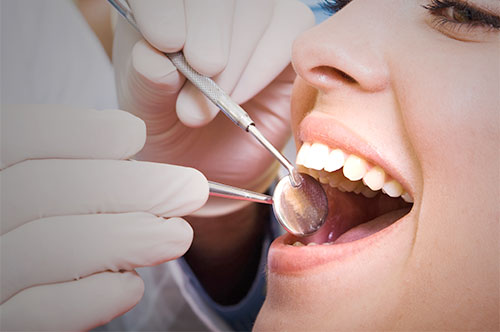
April is Oral Cancer Awareness Month. Oral cancer is a serious disease that can affect the lips, tongue, cheeks, throat, and other areas of the mouth. While it may not be as widely discussed as other cancers, it’s more common than many people realize. Early detection can make all the difference in treatment success, which is why regular dental exams are so important.
What Is Oral Cancer?
Oral cancer refers to cancers that begin in the tissues of the mouth or throat, most commonly oral squamous cell carcinoma. These cancers may start as small changes in the tissue that are easy to overlook but can become life-threatening if they go untreated. Regular dental exams play a vital role in spotting these changes early.
Common Warning Signs & Risk Factors
Knowing the warning signs and risk factors for oral cancer can help you and your dentist identify potential problems sooner rather than later. If any of the following signs persist for more than two weeks, it’s important to seek a professional evaluation:
- Sores or ulcers in the mouth that don’t heal
- Unusual lumps or thickened patches
- Red or white patches on the gums, tongue, or lining of the mouth
- Persistent sore throat or feeling something stuck in your throat
- Difficulty chewing, swallowing, or speaking
- Numbness or swelling in the mouth or jaw area
Certain factors increase the likelihood of developing oral cancer, including:
- Tobacco use (cigarettes, cigars, pipes, smokeless tobacco)
- Heavy alcohol consumption
- Human papillomavirus (HPV) infection
- Prolonged exposure to sunlight (increasing lip cancer risk)
- Poor nutrition and weakened immune system
Being aware of these risk factors can help you take proactive steps to protect your oral health.
Why Dental Exams Matter
Your dentist is often the first health professional to notice early signs of oral cancer. During routine dental exams, we carefully check your lips, tongue, gums, cheeks, and throat for signs of abnormalities. These screenings are painless and only take a few minutes, yet they can be lifesaving.
Studies show that when oral cancer is detected early, the chances of successful treatment are much higher. For example, the five-year survival rate for oral cancer diagnosed at a localized stage can be around 85 percent, compared with significantly lower rates when diagnosed after it has spread, according to the National Institute of Dental and Craniofacial Research.
Regular dental exams aren’t just about clean teeth. They’re an opportunity to catch warning signs before they progress. Many people with early lesions or changes feel no pain, making those routine visits even more valuable.
What You Can Do at Home
In addition to professional screenings, you can perform simple self-checks between dental visits:
- Use a mirror and good lighting.
- Look for sores that don’t go away after two weeks.
- Notice any unusual bumps, patches, or changes in color.
- Pay attention to persistent pain, numbness, or trouble moving your tongue or jaw.
If you spot anything concerning, call our office as soon as possible. Early evaluation can help rule out problems or lead to quicker treatment.
Make Dental Exams a Priority
Oral cancer doesn’t always present symptoms in the early stages, but dental exams can uncover changes that might otherwise go unnoticed. At Park Place Dental, we include oral cancer screening as part of your regular check-up because we know early detection saves lives.
If it’s been more than six months since your last dental visit, now is the perfect time to schedule an appointment. Your oral health and overall well-being are worth it.
Call Park Place Dental at 707-210-0304 today to book your dental exam and screening.